How Creative Play Helps Kids Solve Problems
In a world of convenience, kids have trouble solving problems.
That’s what I’ve noticed in working with children. It’s easy to change the show if they don’t like it, skip commercials, get the food they want, and listen to the exact songs they want. Less and less in our lives requires us to wait, work, and be frustrated but these are the ingredients of perseverance. As a mom, I have to step back and let my kids struggle a little. They need to see for themselves that they can be confused and angry and get through it. In our house, we try to get this point across to them, even though they’re young. A great place to practice this principle is in their creative play.
Being creative, by nature, requires putting yourself out there, making mistakes, and trying again. “Why doesn’t my painting look the way I want? I can do better next time!” There is no safer place to learn to solve problems than at the craft table! And creative play comes naturally to children. Even in this digital age, they crave it!
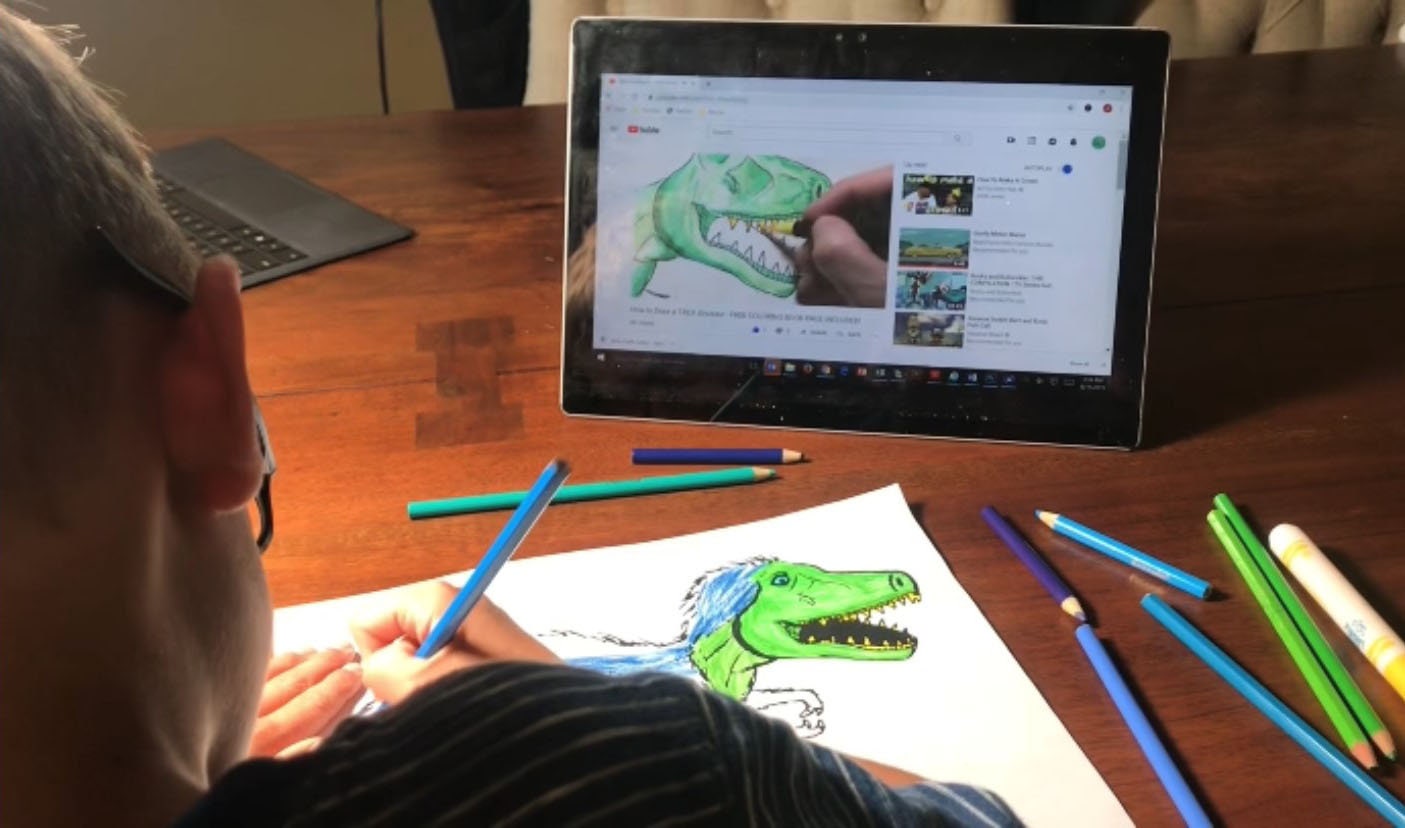
I have two young children that could not be more different from each other, but both have found ways that they like to be creative. One draws animals and sports logos and has turned that into a love of drawing comic strips. The other does not like to draw or paint but creates complex Minecraft houses and enjoys drawing plans for machines in his notebook. They are different but the same. Both outlets get them to push their little brains in the right direction and more importantly, I think, to understand that problems don’t mean failure. I have seen a direct correlation between this creative learning and their school learning. My oldest struggled with reading, really struggled, but now reads above-grade-level books for fun. That came only from trying and trying again, which I know was reinforced by learning to draw. He could see his improvement in his drawings simply by doing it over and over again and then saw the same results in reading. He probably wasn’t putting this together at the age of five, but he understood the concept that he could do small things and it would lead to bigger things. It definitely helped to keep reading struggles from becoming overwhelming (for both of us!).
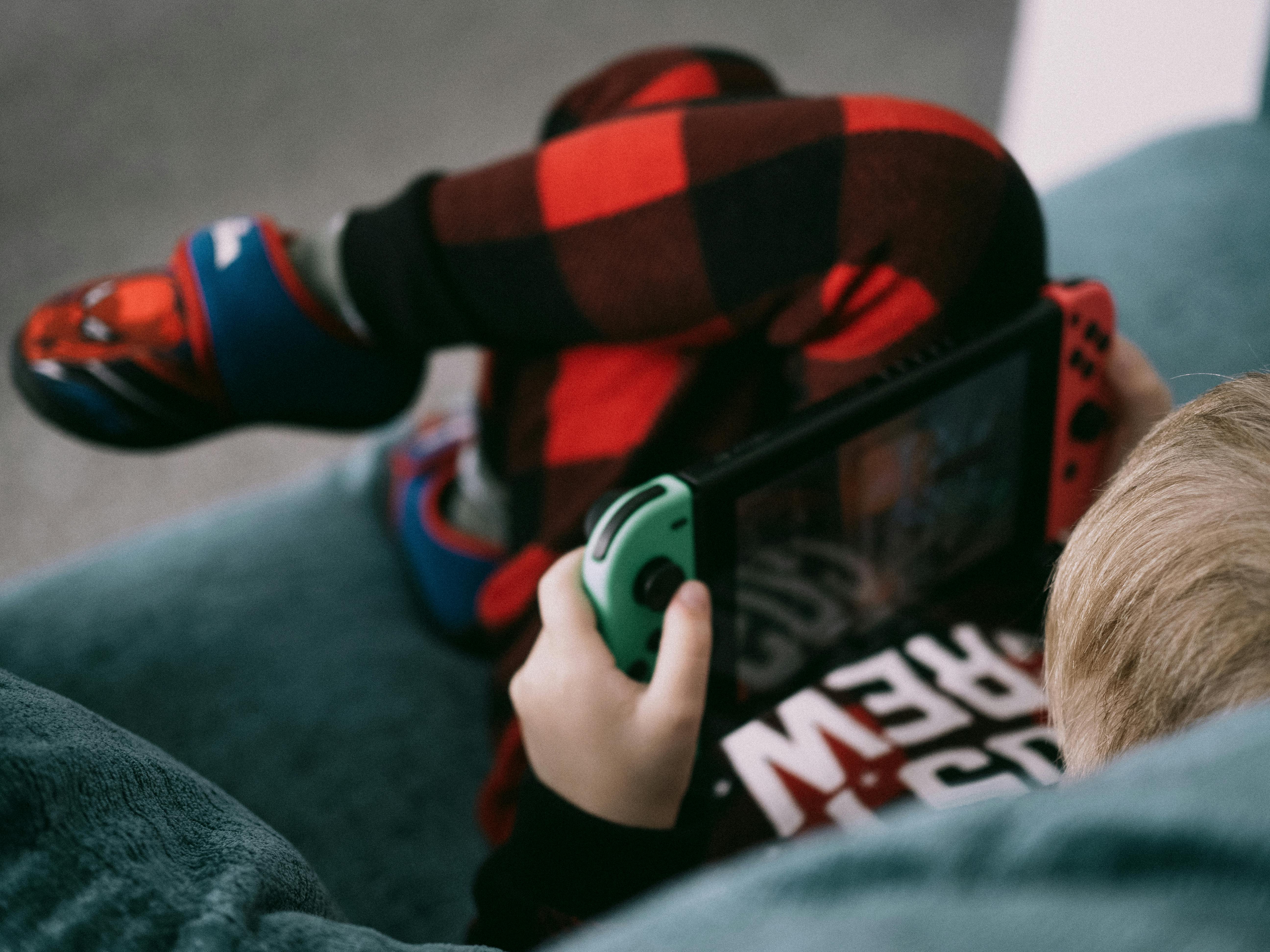
How do you get your own kids started? You don’t have to do anything too time consuming. My advice is to find something they are naturally interested in and encourage them not just to get “better” but to experiment. That’s where you can make a real difference because your encouragement gives them “permission” to try new things even if it doesn’t work out. It doesn’t have to be conventional art either, journaling, doodling, Lego building, marble racing, are all ways kids can push their creative boundaries. Yes, I even encourage Minecraft (internet-free with time limits) because it’s still making and creating in their digital world. Don’t put too much pressure on yourself. You’ll get ideas and things will start to happen once you have the goal in mind.
Years ago, I was working with a creative problem-solving consultant at my office job. He told me about the book “Mindset” by Dr. Carol Dweck. It really changed the way I look at some things. You’ve probably heard of the “growth mindset”? This is the book it originated from! When my kids started school, I heard familiar ideas from that book come up from their teachers – “you can do hard things”, or “you can’t do it, yet”. It teaches children that failure isn’t the final state, it’s the steppingstone to success. Problem solving through creative play teaches this same principal in a very tangible way. Kids can see the results right away because even doing it two times shows great improvement.
I believe that small creative hobbies will lead to the larger life skill of learning through practice and failure in a safe environment. Plus, there’s the added bonus that the interests your kids have nurtured at home could lead to valuable skills as adults or even a career!
💚 MH
(No A.I. was used to write this content)